
Alegra UX review 2025
PROCESS HIGHLIGHTS
Project overview
Goal
Standardize and optimize the product experience to improve usability, ensure visual consistency, and prepare the platform for scalable AI-driven capabilities.
Role
Helped the creation and evolution of the UI Design System.
Improved the usability and accessibility of core product functionalities.
Proposed several AI-driven initiatives focused on automation and user efficiency.
Collaborated directly with development, product management, and business teams in an Agile/Scrum environment.
Timeline
Design System: Jan 2025 - Jun 2025
AI Solutions: May 2025 - Oct 2025
Disciplines
User Experience Design
User Interface Design
Responsibilities
UX Research
User Interface
Prototyping
Tools
Figma
Figjam
The Process
1
Research
Initial Research
Problem definition
2
Synthesis
Insights
Heuristic Evaluation
Key UX Problems
3
Ideation
Design Goals
Initial Design
4
Final Designs
Final Prototype
5
Reflection
Conclusion
Comparison
BACKGROUND
Context
Alegra is a leading SaaS platform that offers accounting, financial, and business management tools for small and medium-sized companies across LATAM. As a Product Designer, I contributed to key initiatives aimed at improving usability, unifying the product experience, and exploring AI-driven solutions that help users work faster and more efficiently.
Alegra was facing growing complexity due to new features, inconsistencies across the interface, and user friction within critical workflows. Additionally, the company aimed to introduce intelligent automation to reduce manual work but needed a clear, well-structured user experience to support it.
IDEATION
Approach
I collaborated closely with PM, engineering, support, and data teams to uncover the root causes behind user friction and increased support tickets. Using a usability audit, analytics, and user interviews, I identified high-impact issues and helped redesign key workflows, resulting in a 37% improvement in usability. I also contributed to building a scalable UI Design System alongside the team, ensuring consistent implementation and smoother handoff with engineering. Additionally, I proposed AI-driven enhancements that progressed into development. This project strengthened my cross-functional collaboration skills and reinforced a strong growth mindset as I learned from every partner involved.
IN PRODUCTION
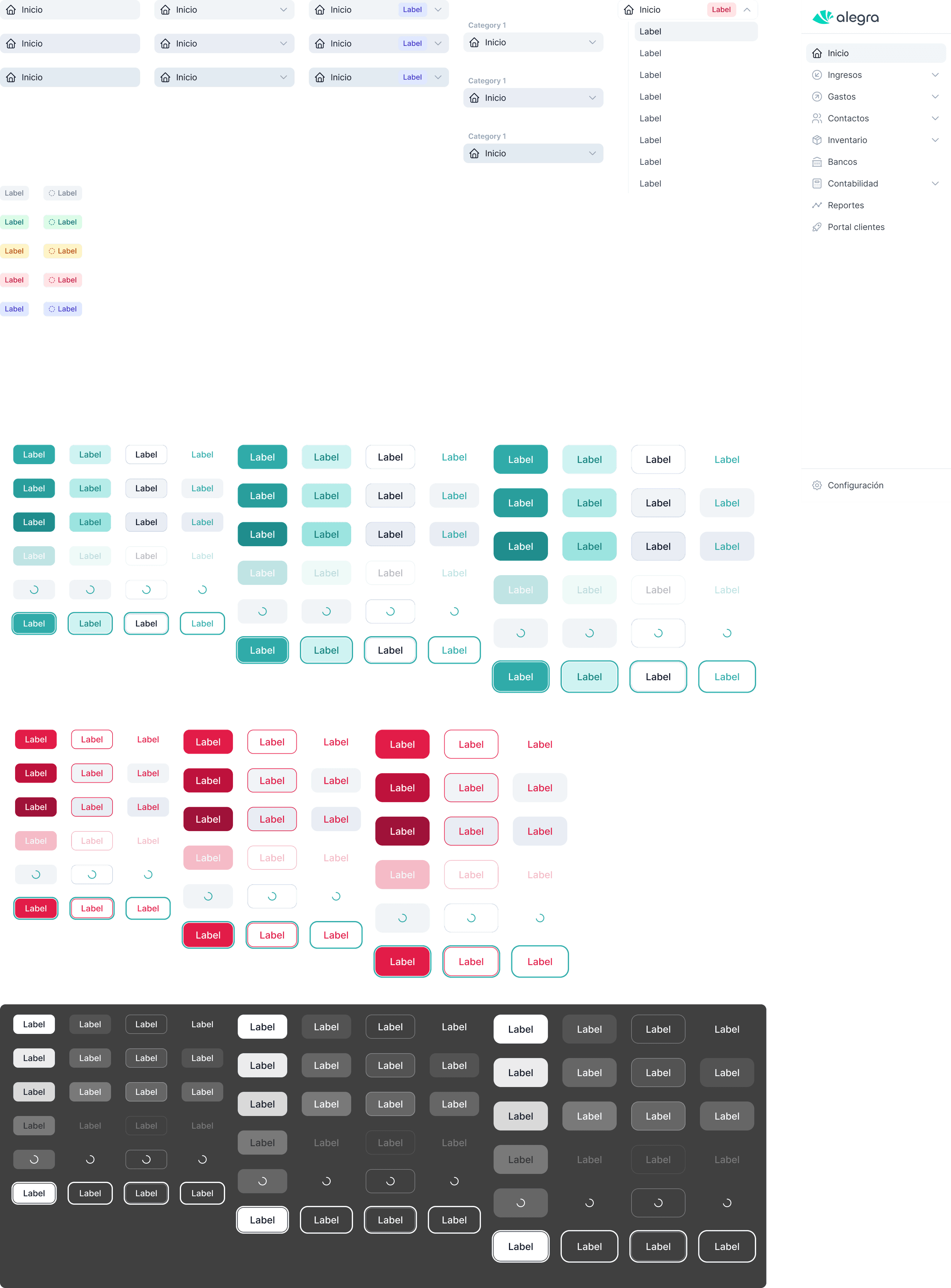
Design System
IN PRODUCTION
Final Designs
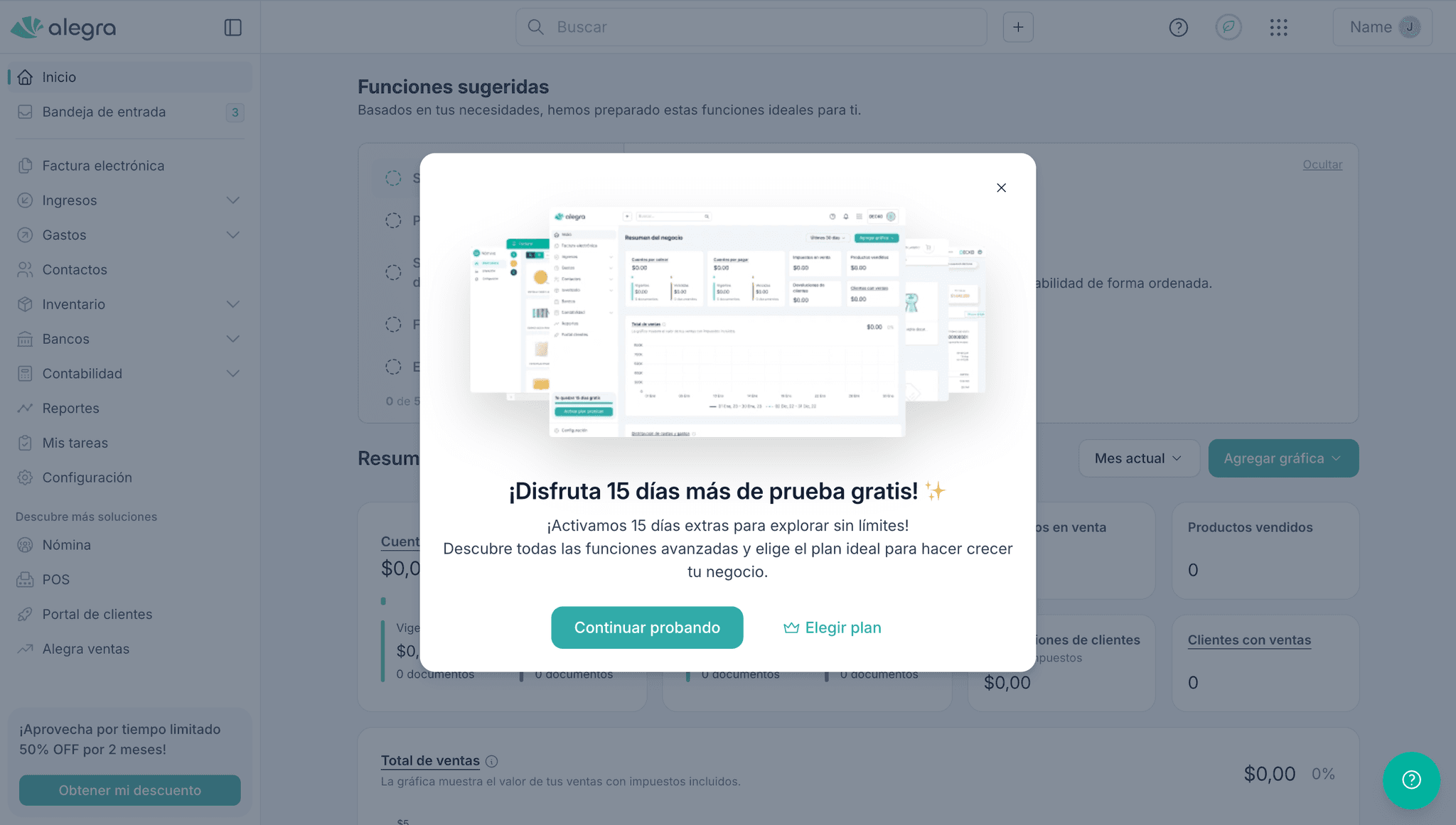
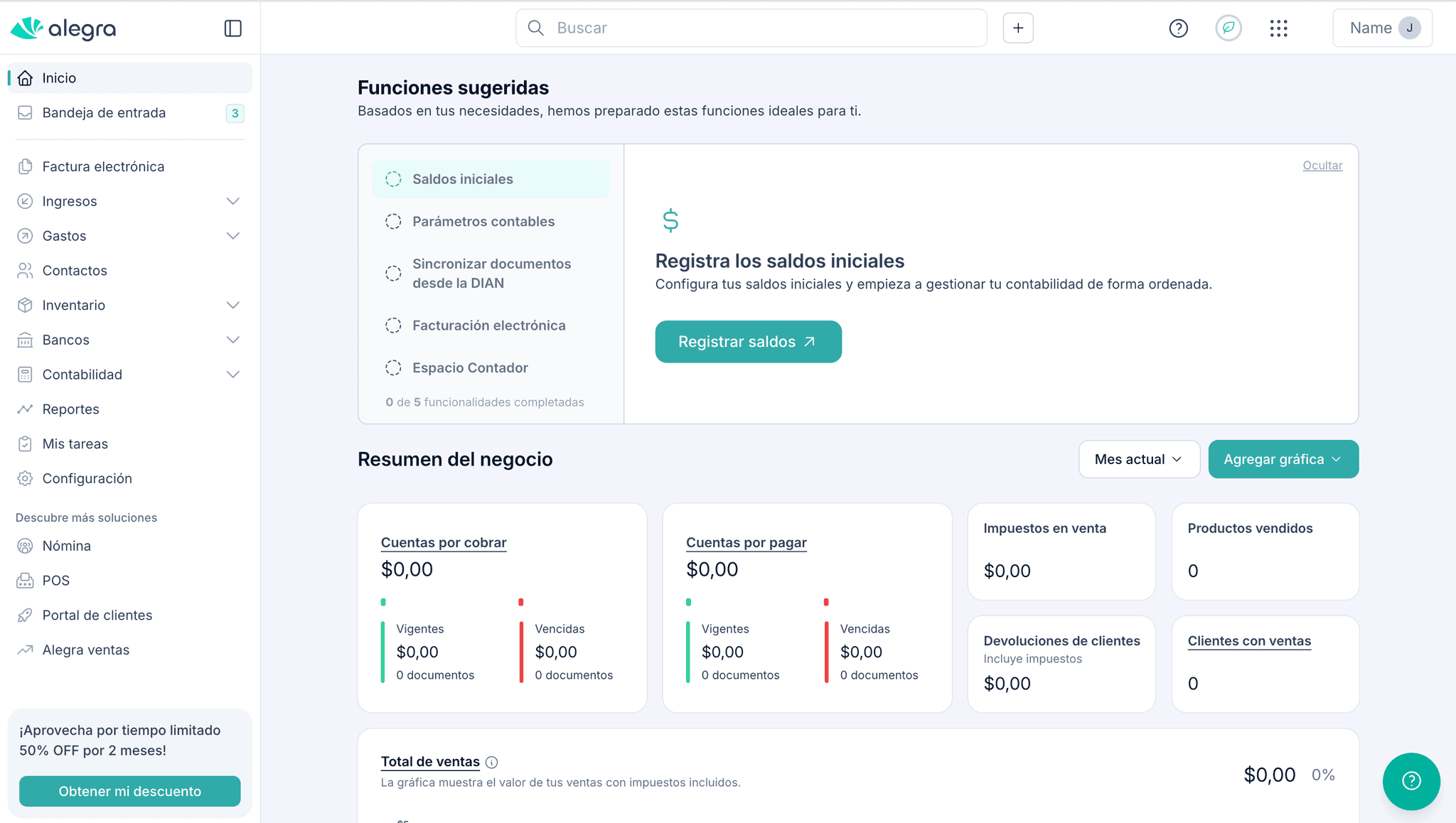
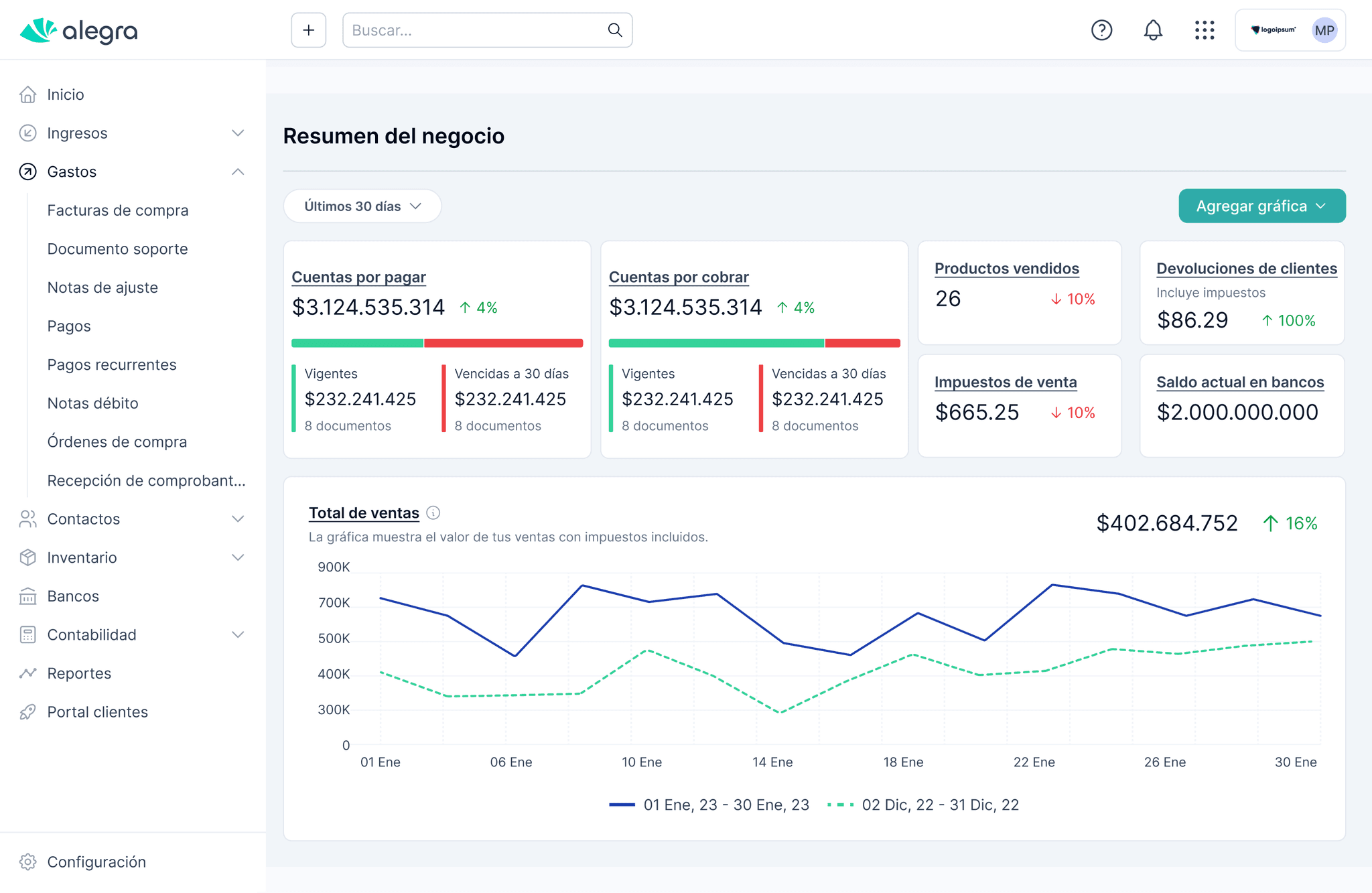
Dashboard
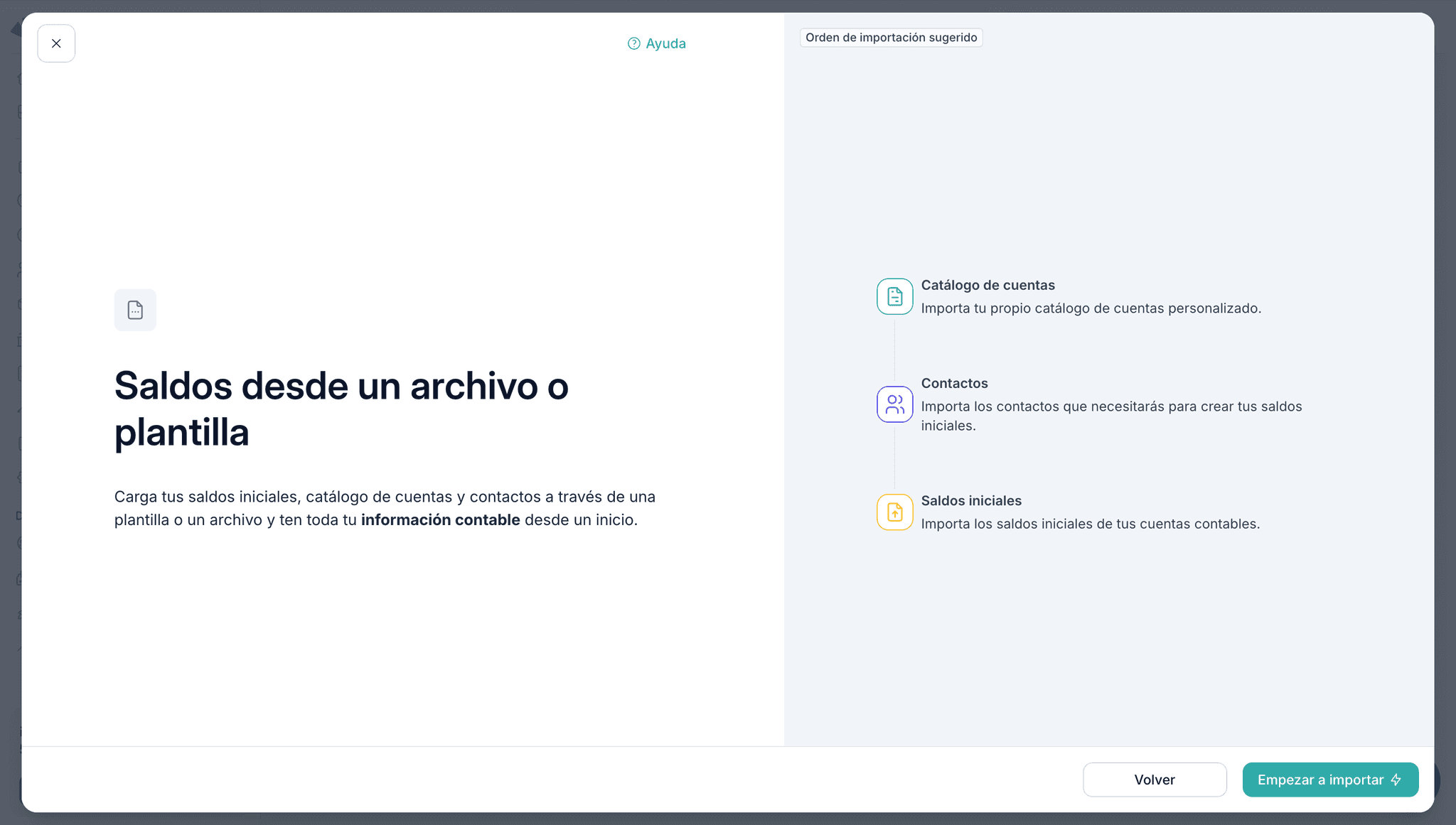
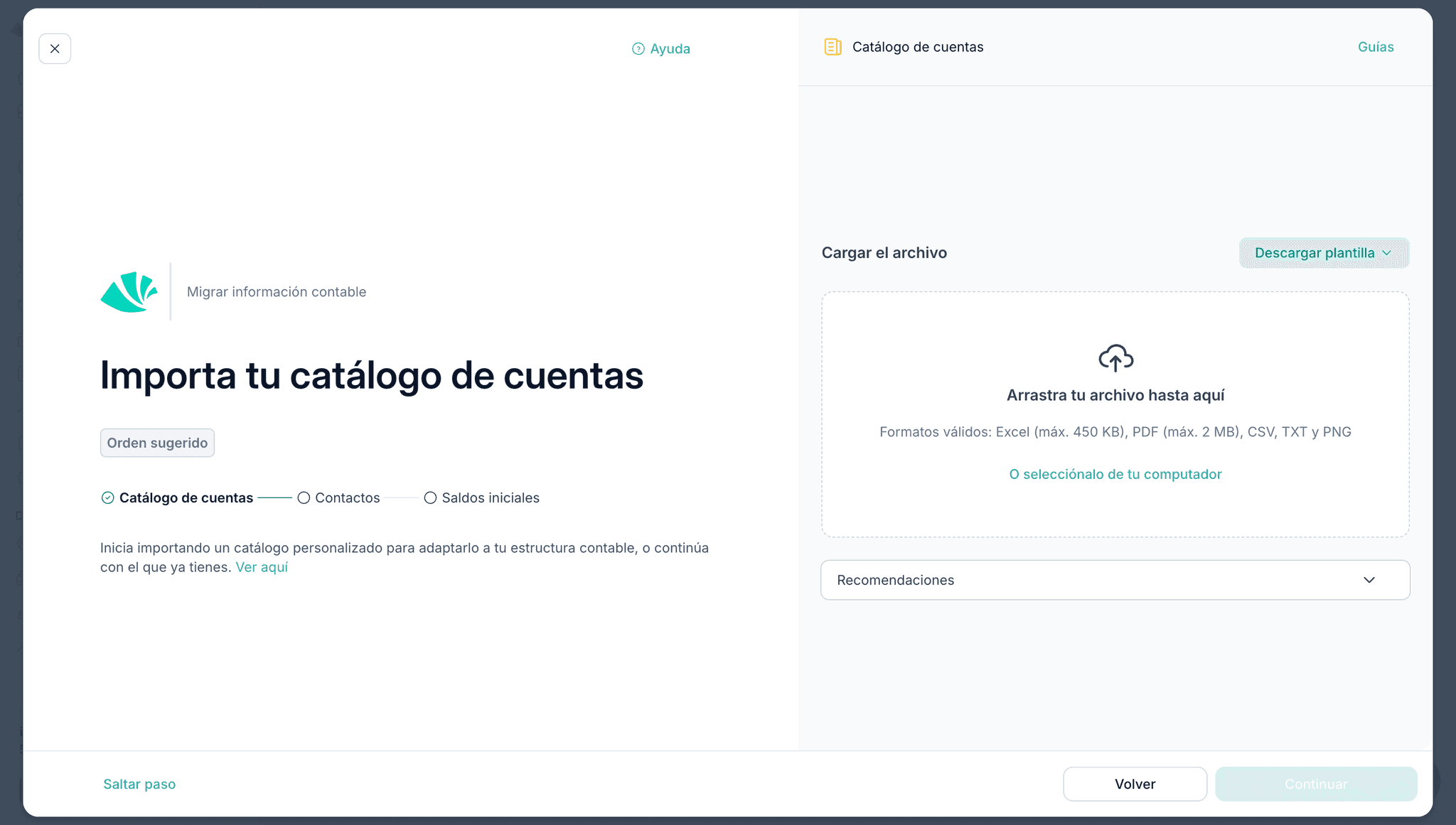
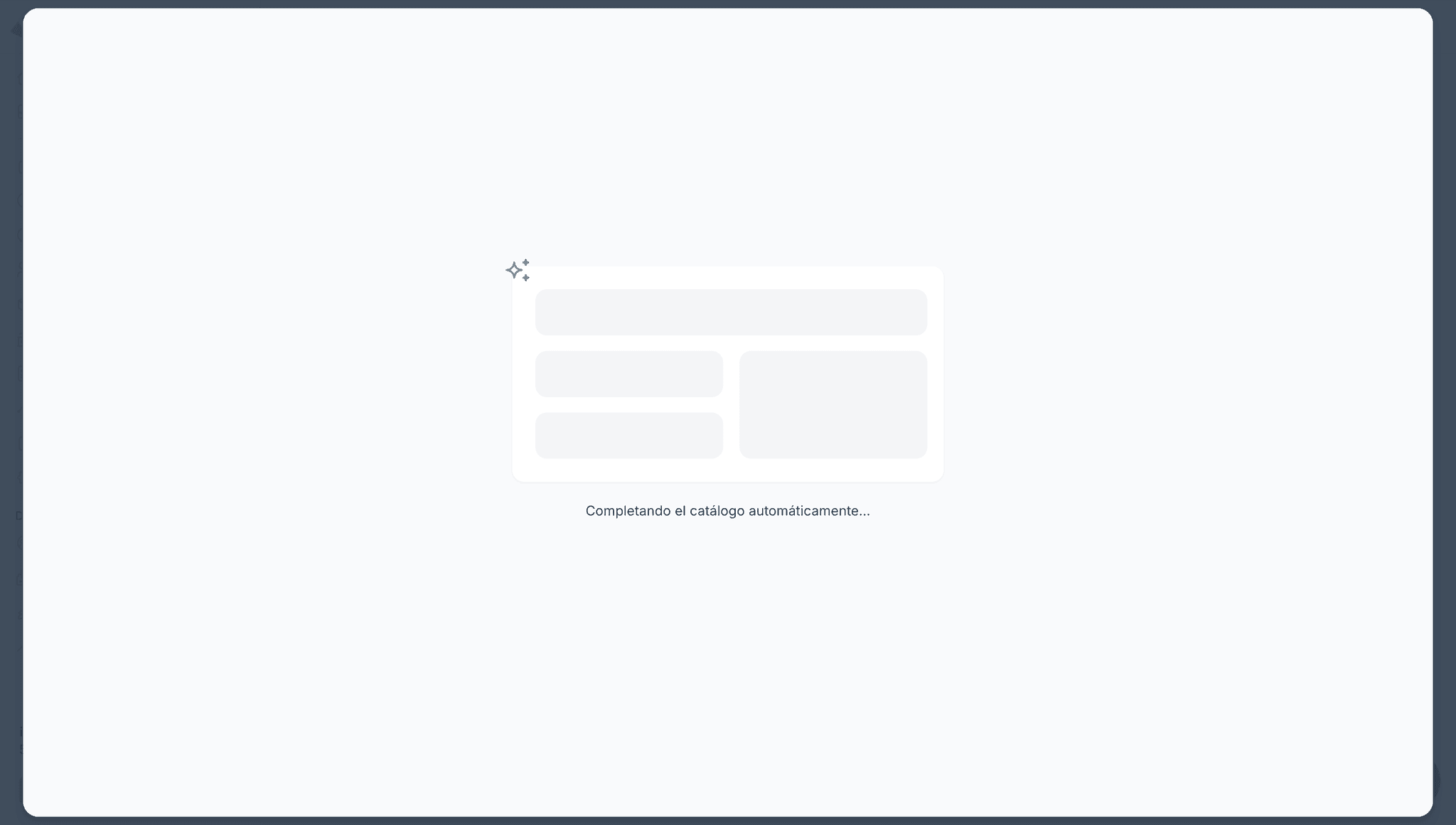
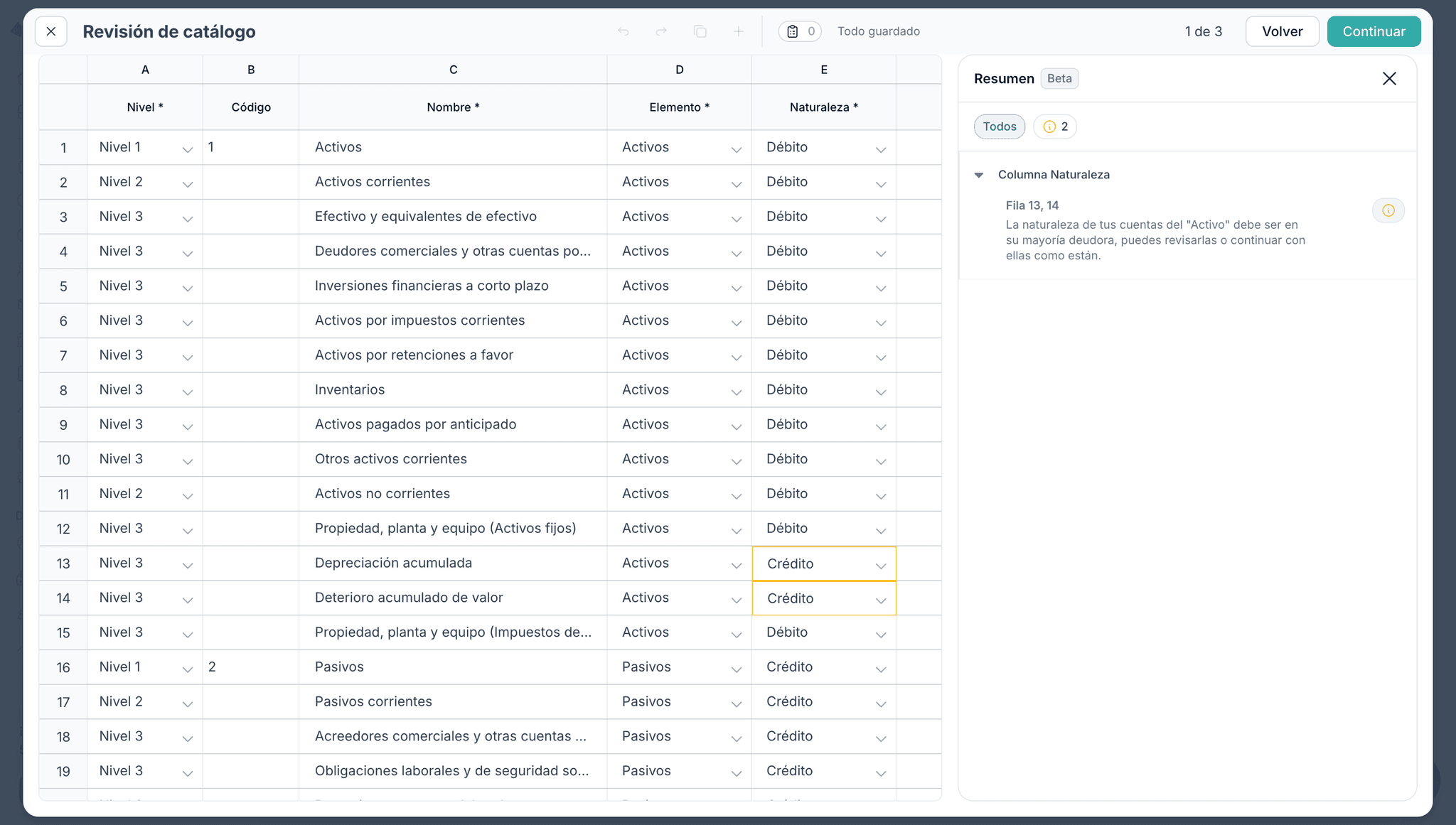
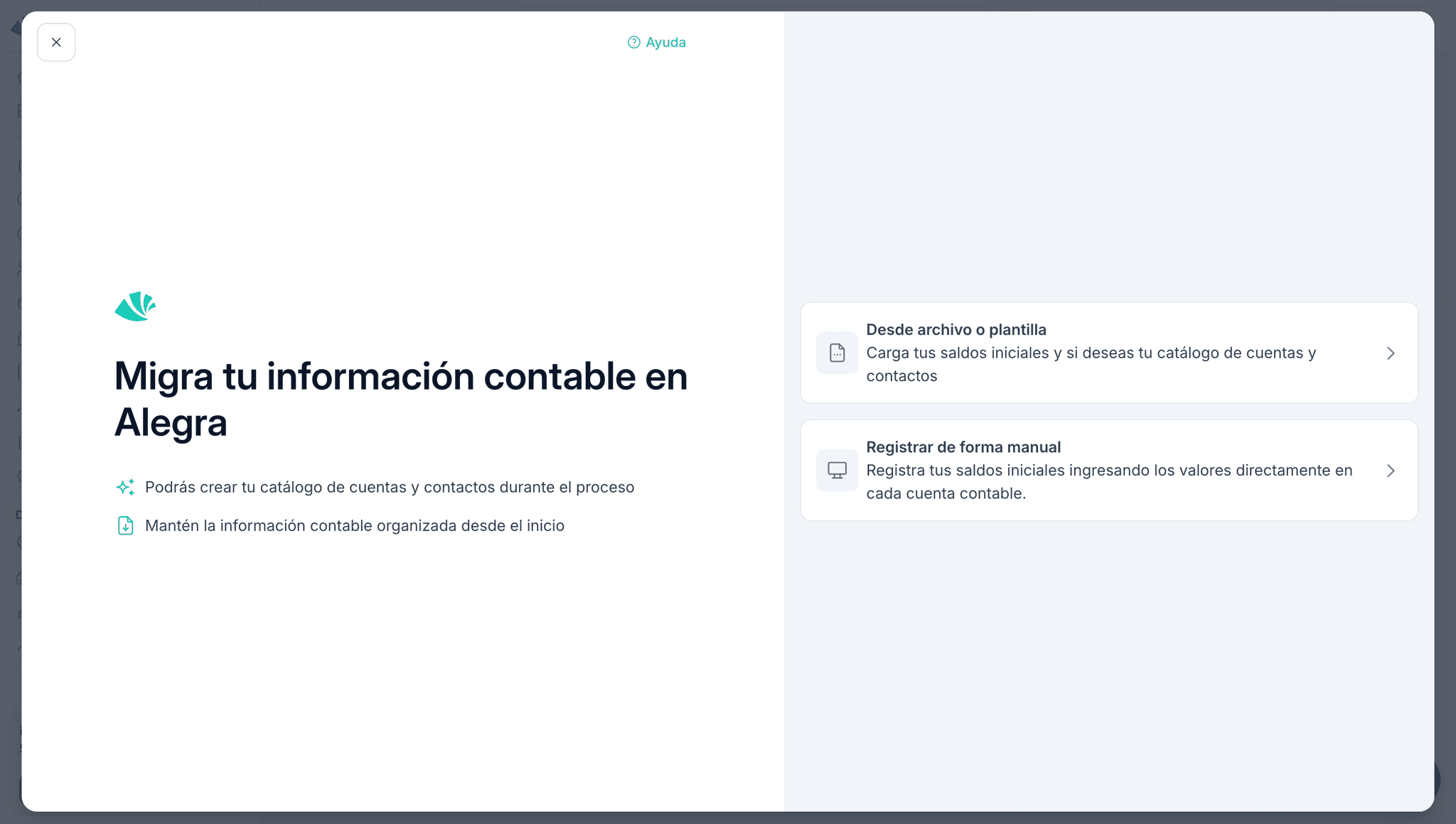
AI Massive Import
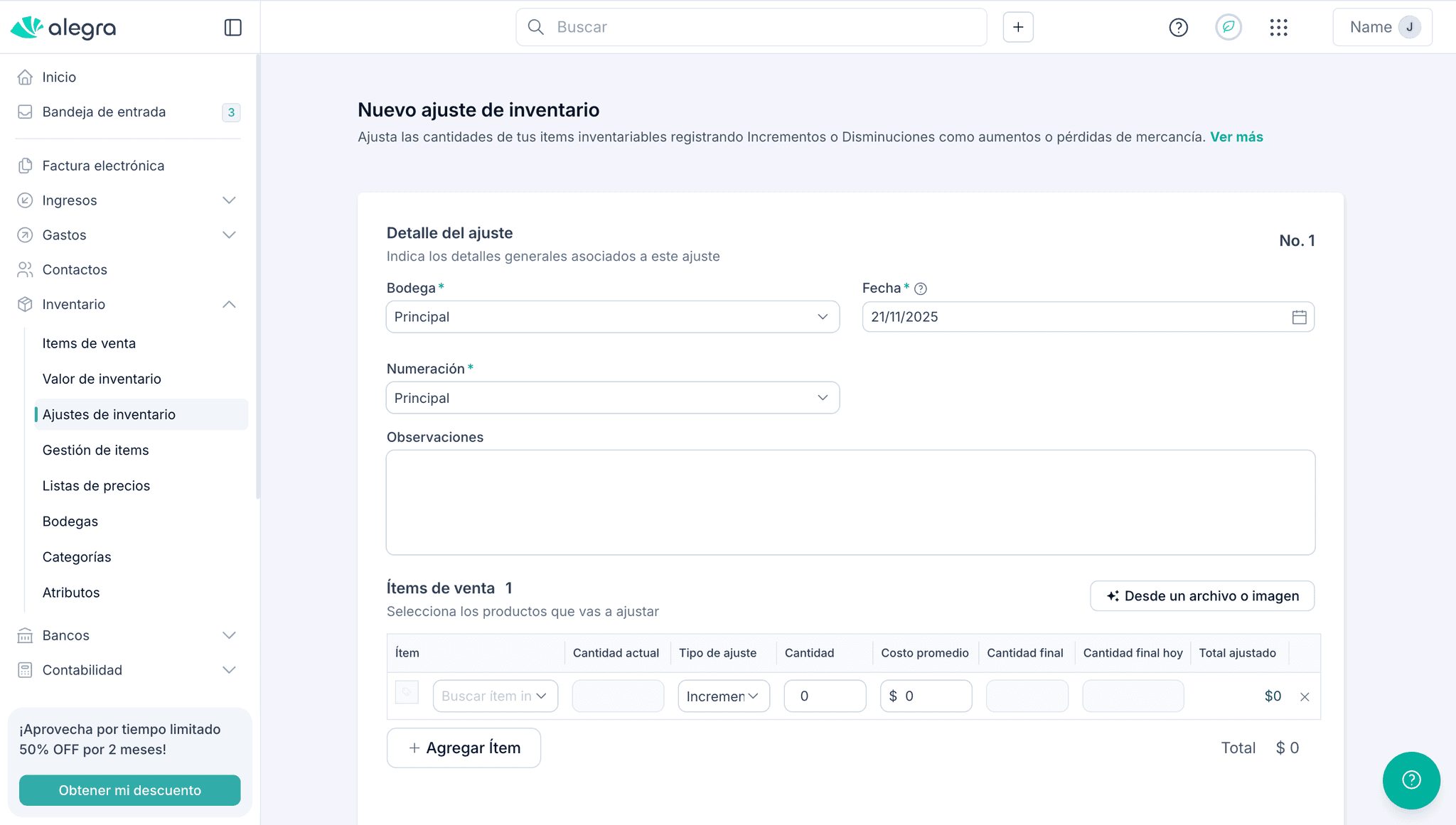
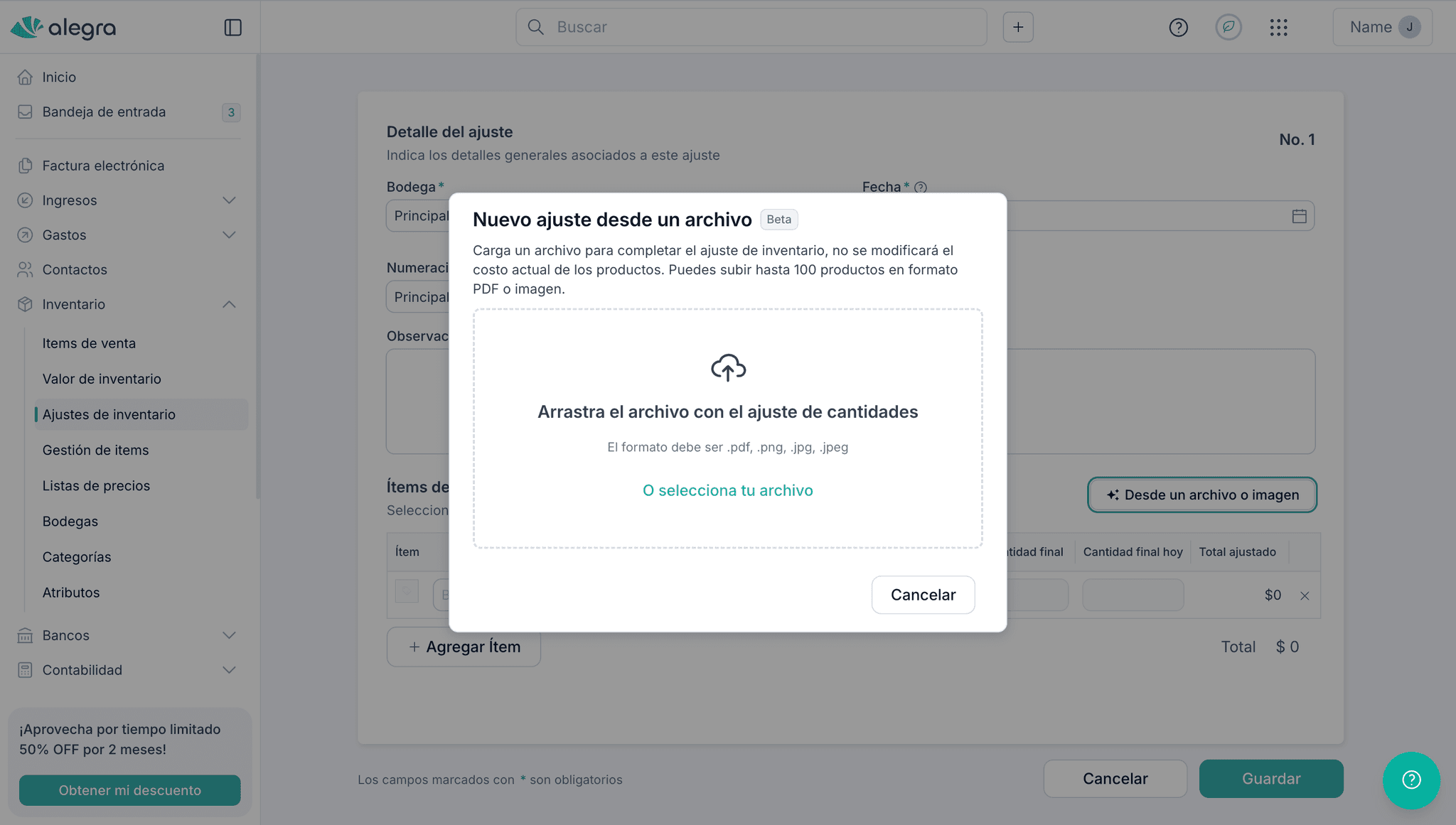
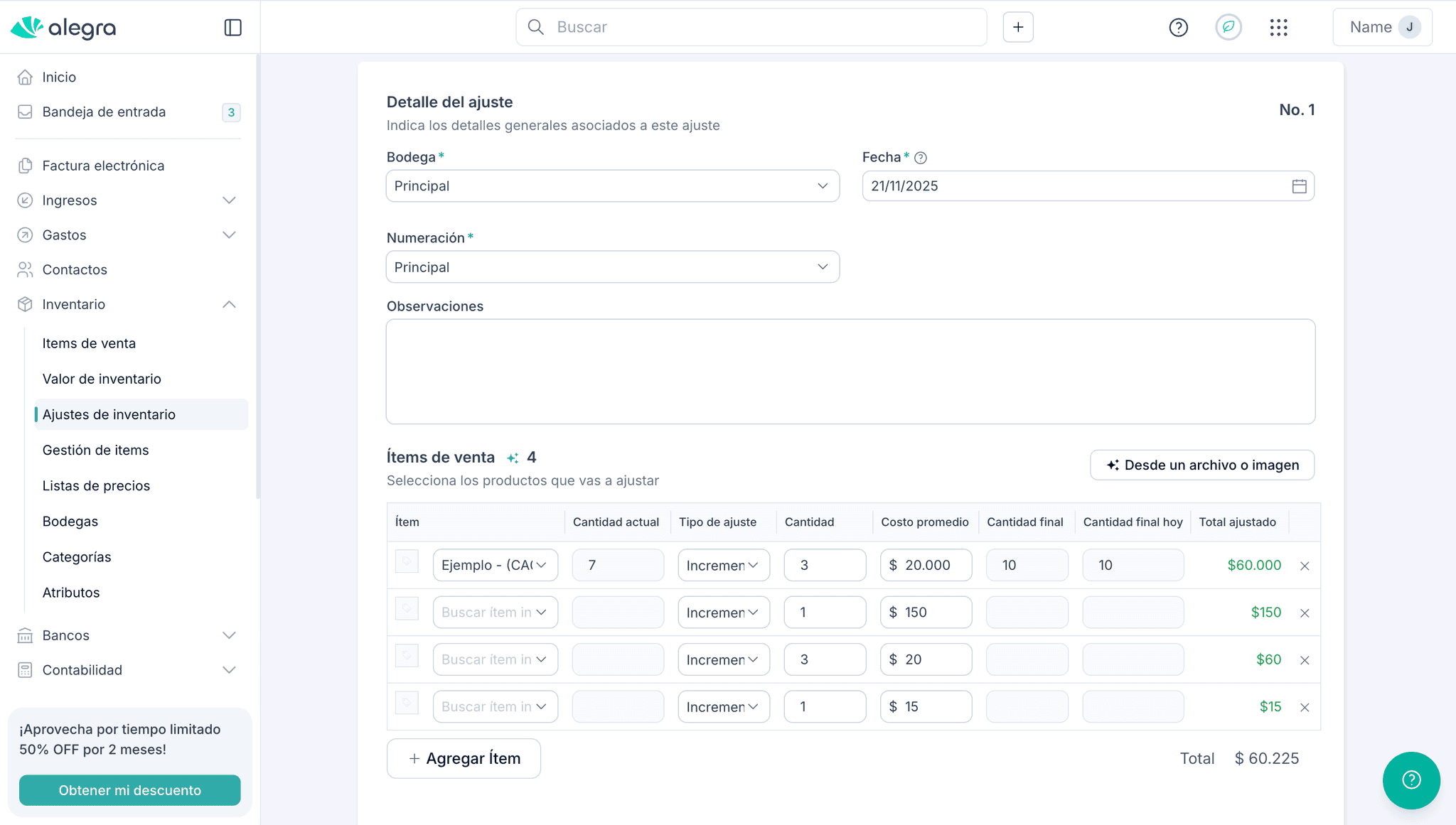
IA Inventory Adjustment

REFLECTION
Results
1
37% improvement in overall platform usability
Through visual, structural, and interaction optimizations.
2
Unified design with a scalable Design System
Reducing delivery times, visual errors, and friction between design and development.
3
Strategic foundations for AI-driven projects
Defining use cases, experience, and flows for intelligent automation within the product.
REFLECTION
Learning
This project taught me the value of deep cross-functional collaboration. By working closely with engineering, PM, support, and data, I learned how much stronger solutions become when every perspective is included early. I also strengthened my ability to validate assumptions through research and analytics, and I gained hands-on experience contributing to a scalable design system—not just designing screens, but thinking about long-term product consistency. Most importantly, I developed a stronger growth mindset: staying curious, asking better questions, and continuously learning from teammates in other disciplines to deliver better outcomes for users.
Thank you for watching