Crafted
Design Challenge 2025

PROCESS HIGHLIGHTS
Design challenge and responsibilities overview
Challenge
Design a an e-commerce for any craftsman.
Opportunity
Create a unique app that allows artisans to enhance user engagement and achieve business goals.
Timeline
Jun 10, 2025
Disciplines
User Experience Design
User Interface Design
Responsibilities
UX Research
Design Thinking
Wireframing
Prototyping
Tools
Figma
Figjam
BACKGROUND
Discovering new markets can be difficult.
Artisans struggle with the limited platforms to showcase their products. Often only during special events or being overshadowed by industrial products in shared stores. This contributes to their low sales and the undervaluation for the work involved.
The Process
1
Research
User Interviews
Competitor Analysis
2
Synthesis
Persona
User Journey
3
Ideation
Developing a Solution
User Flow
Low Fidelity
Mid Fidelity
4
Final Designs
Final Prototype
Major Redesigns
5
Reflection
Next Steps
Conclusion
RESEARCH
User Interviews
In order to learn more about the artisans' experience and understand their needs and pain points, I interviewed four local artisans who have tried to sell their handmade products, such as ceramics, textiles and handmade jewelry.
Questions revolved around:
• As an artisan, how do you find opportunities to showcase and sell your products?
• What challenges have you faced in trying to make your work visible against industrial or commercial products?
• What factors influence your decision of where and how to sell your products?




RESEARCH
Competitor Analysis
My competitor analysis focuses on understanding how various platforms support artisans in showcasing and selling their handmade products. I aim to evaluate how effectively these platforms — such as Etsy, Instagram and local marketplaces — meet the specific needs of artisans, especially in terms of visibility, ease of setup, and product differentiation.




RESEARCH
Journey Map
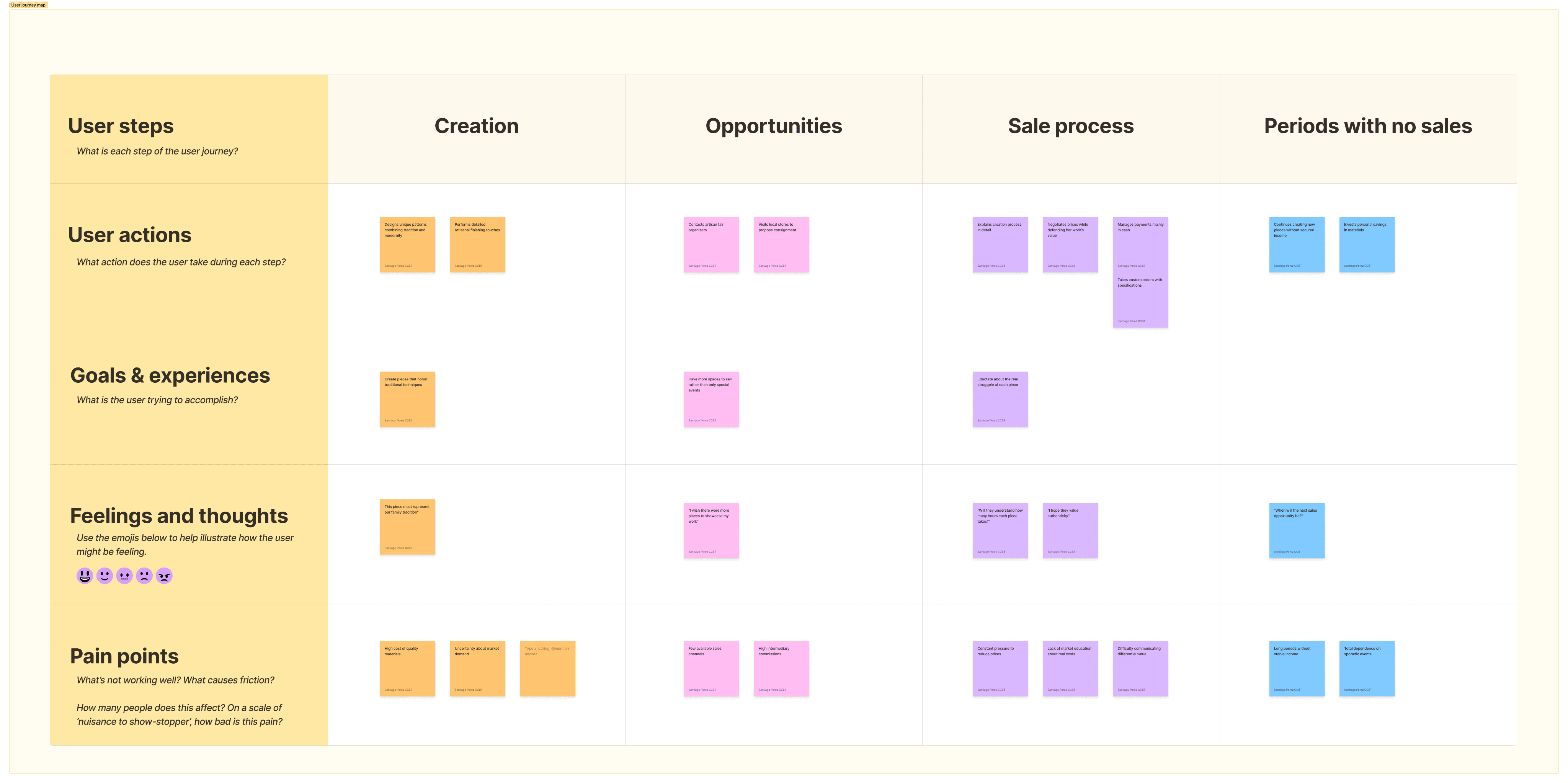
User Pain Points:
People want a more available sales channels
People face lack of market education about real costs
People desire accurated value authenticity.
IDEATION
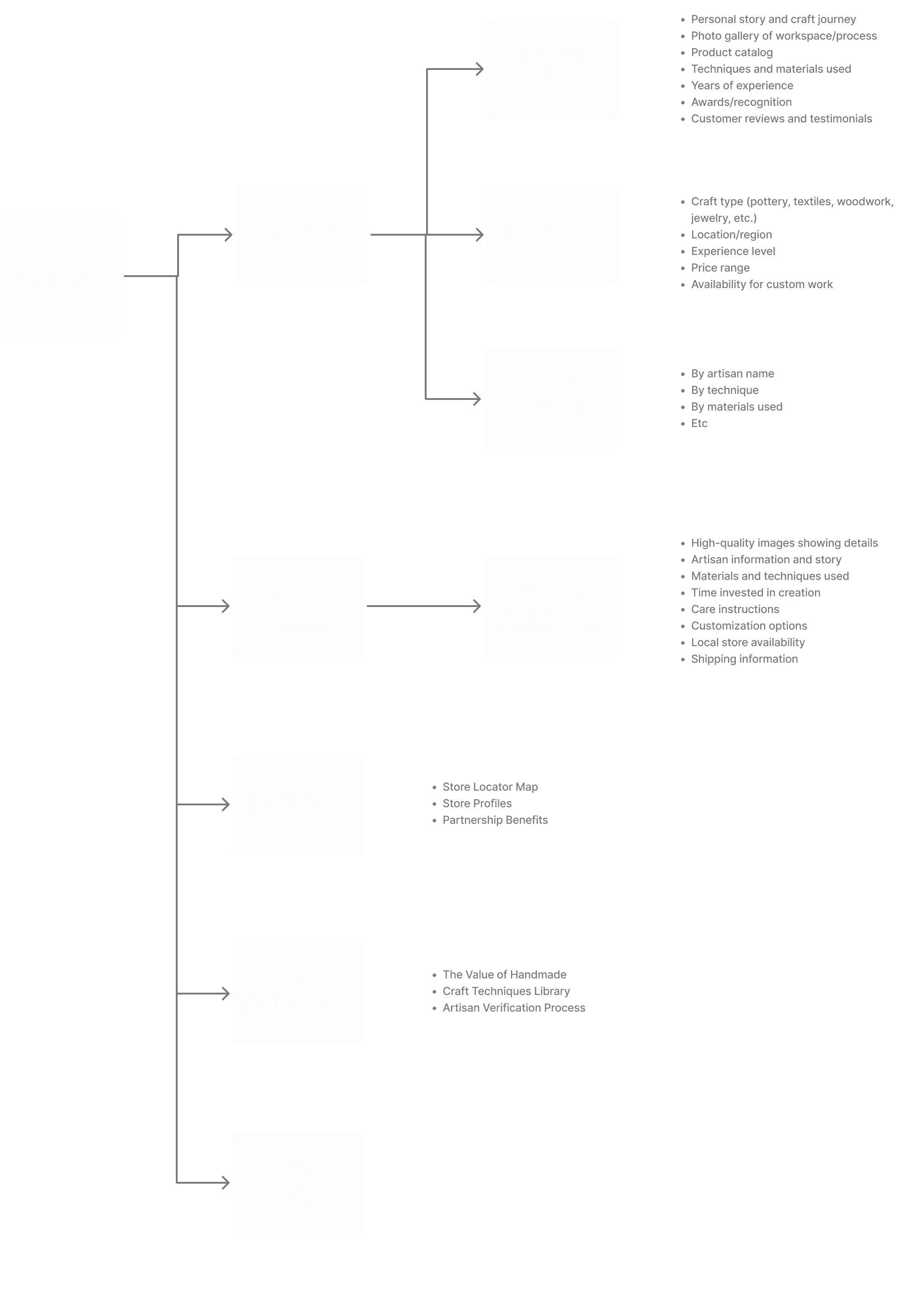
Information Architecture
This information architecture outlines a site designed to help users discover local artisans and their handmade products, with a clear structure for browsing, filtering, and learning about craftsmanship.
IDEATION
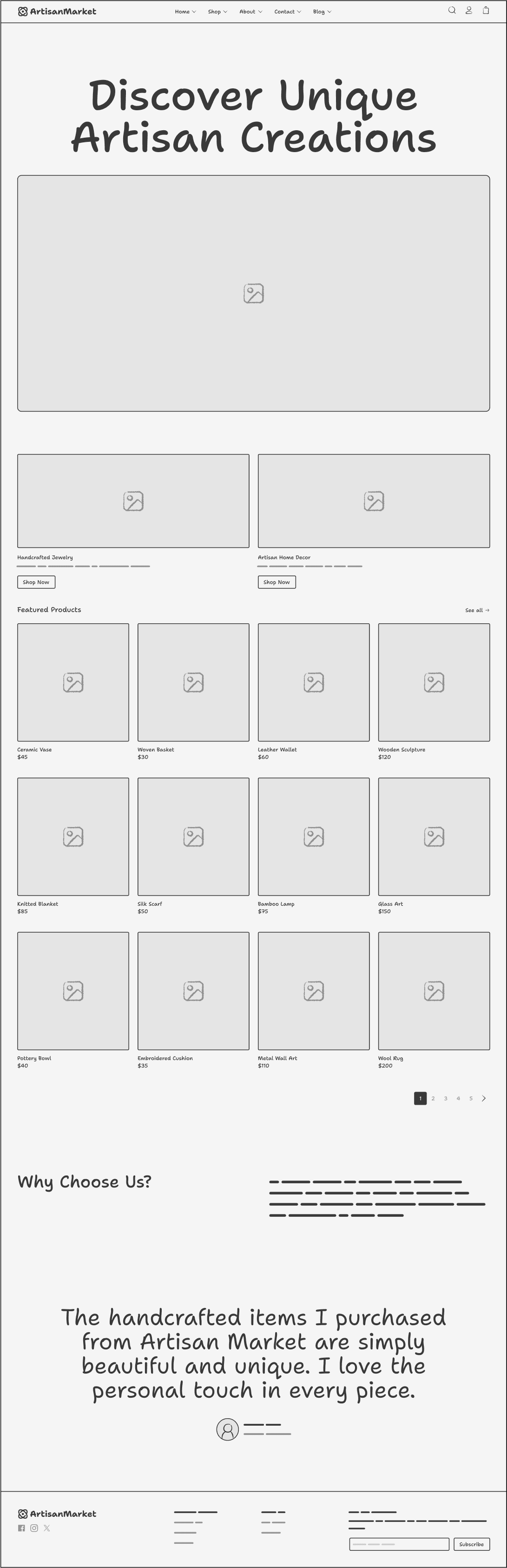
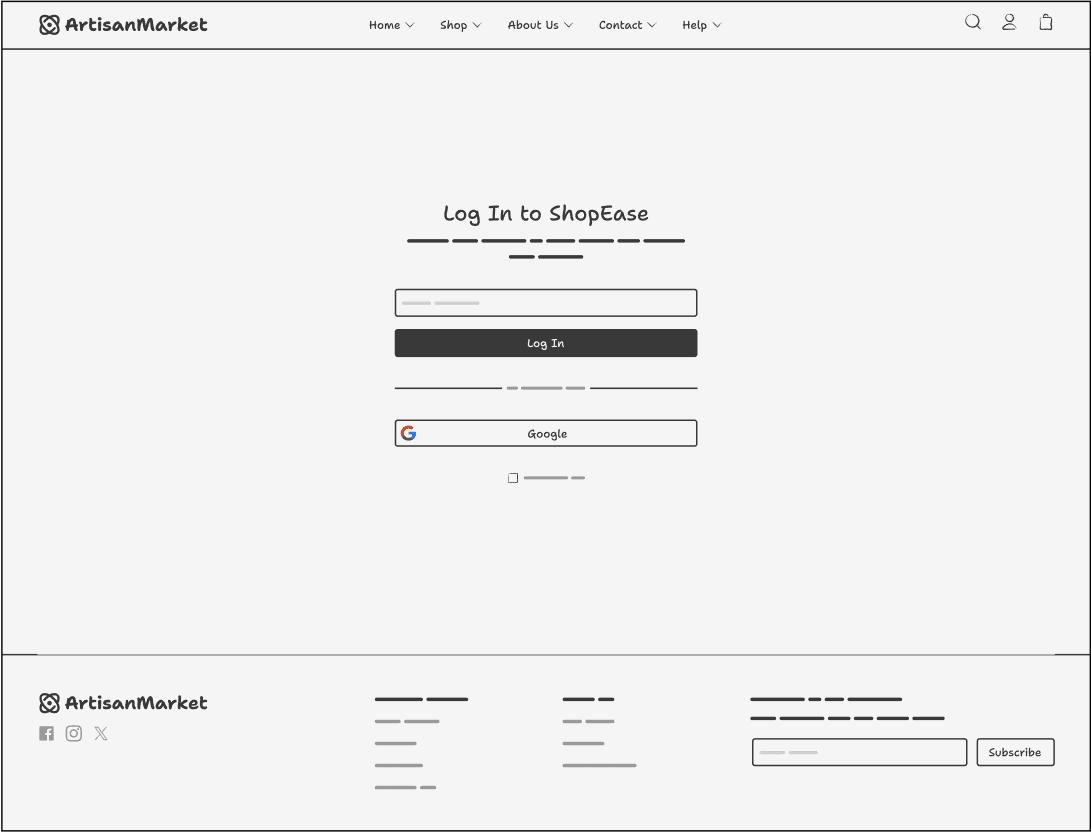
Wireframes
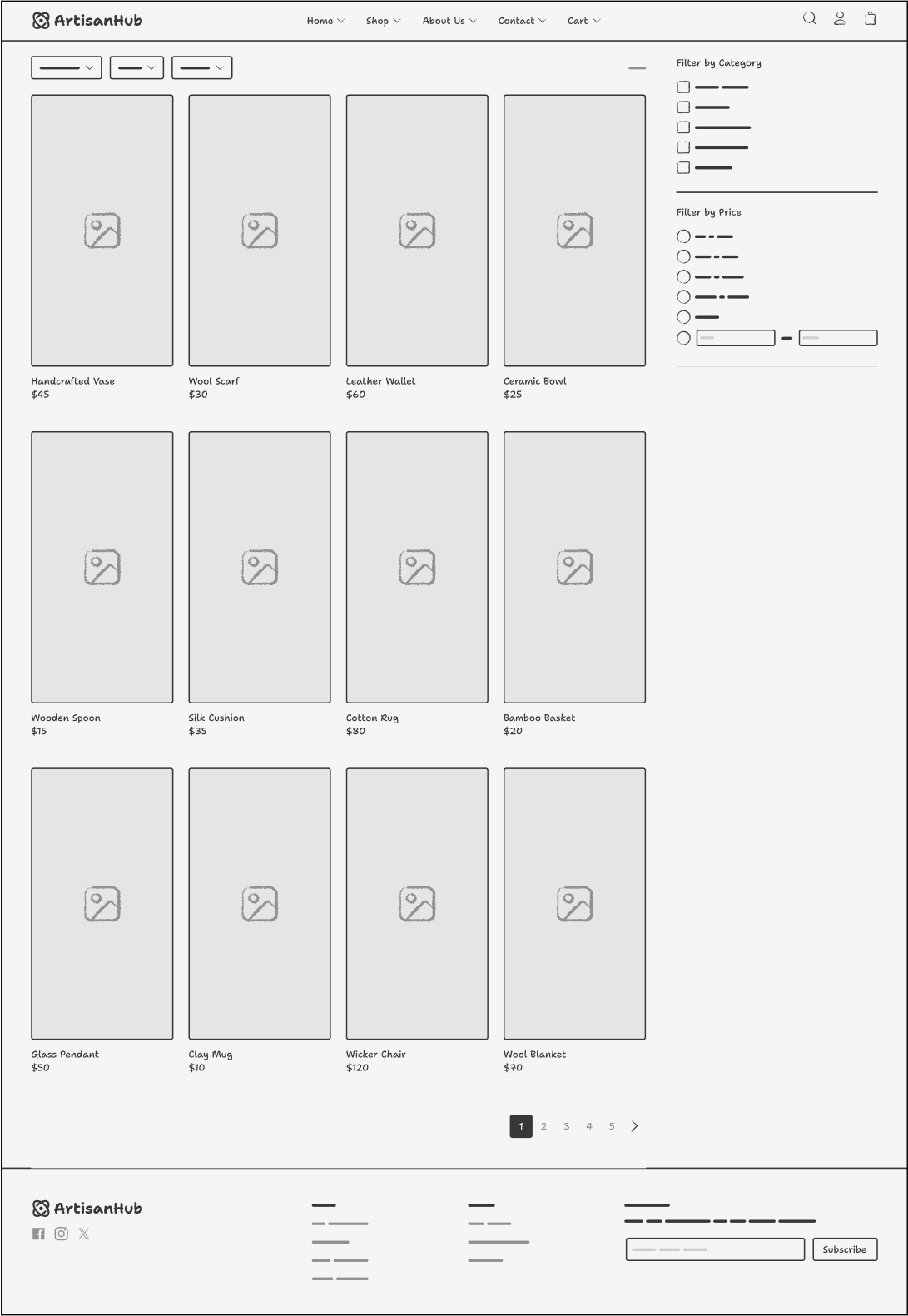
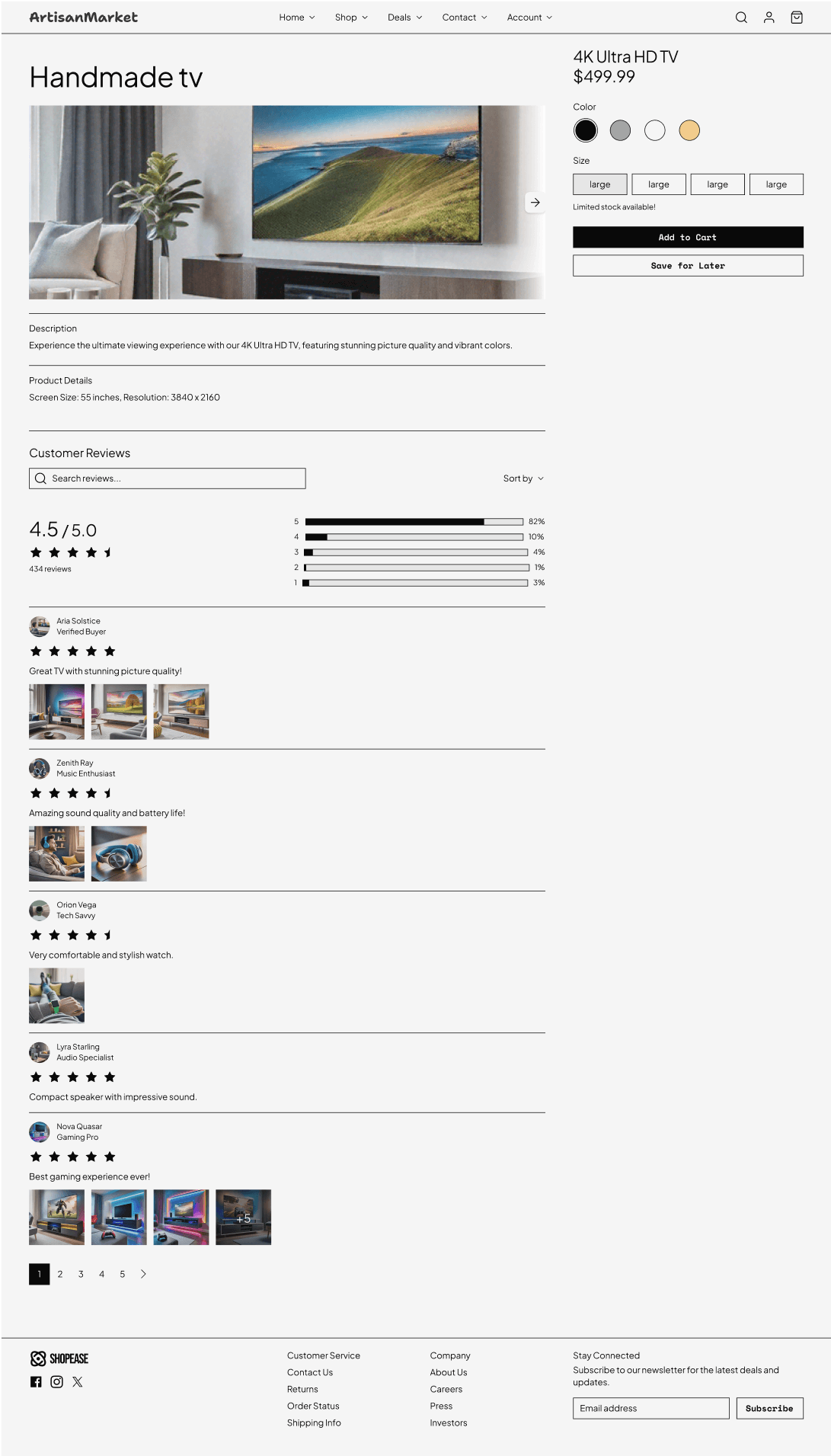
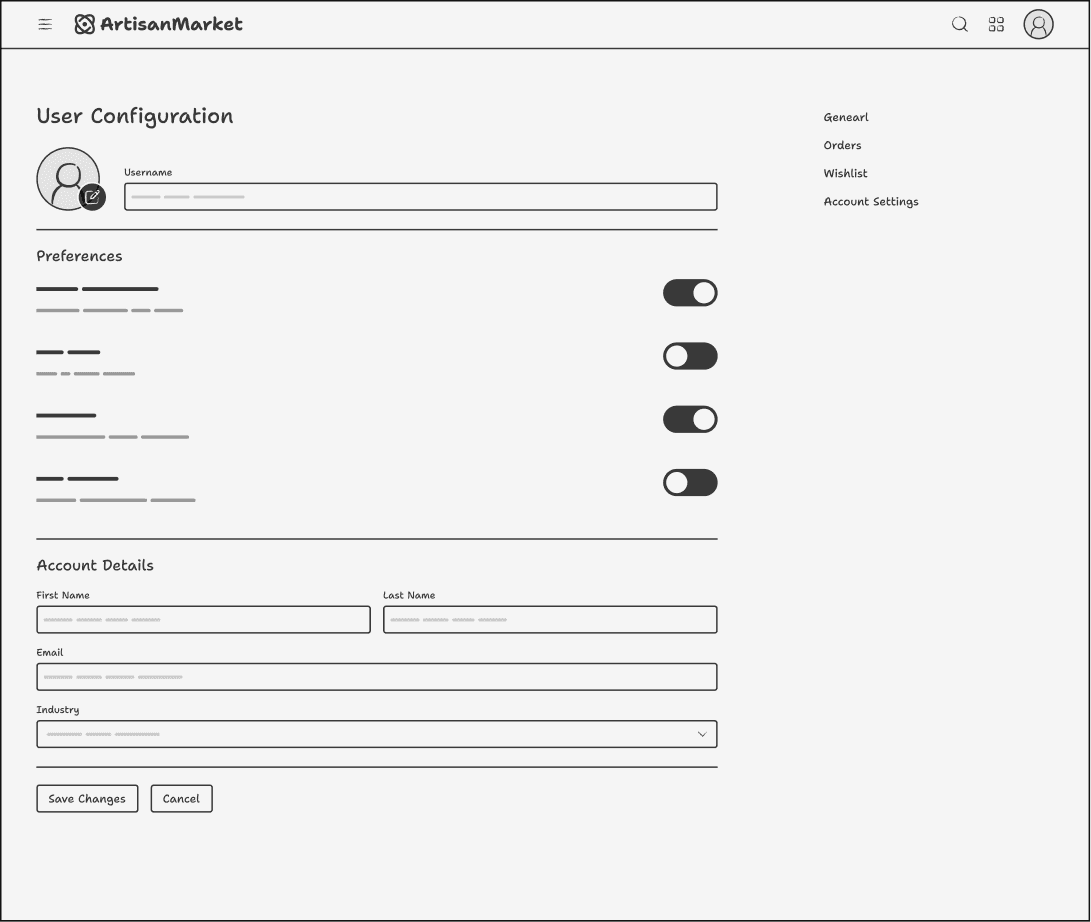
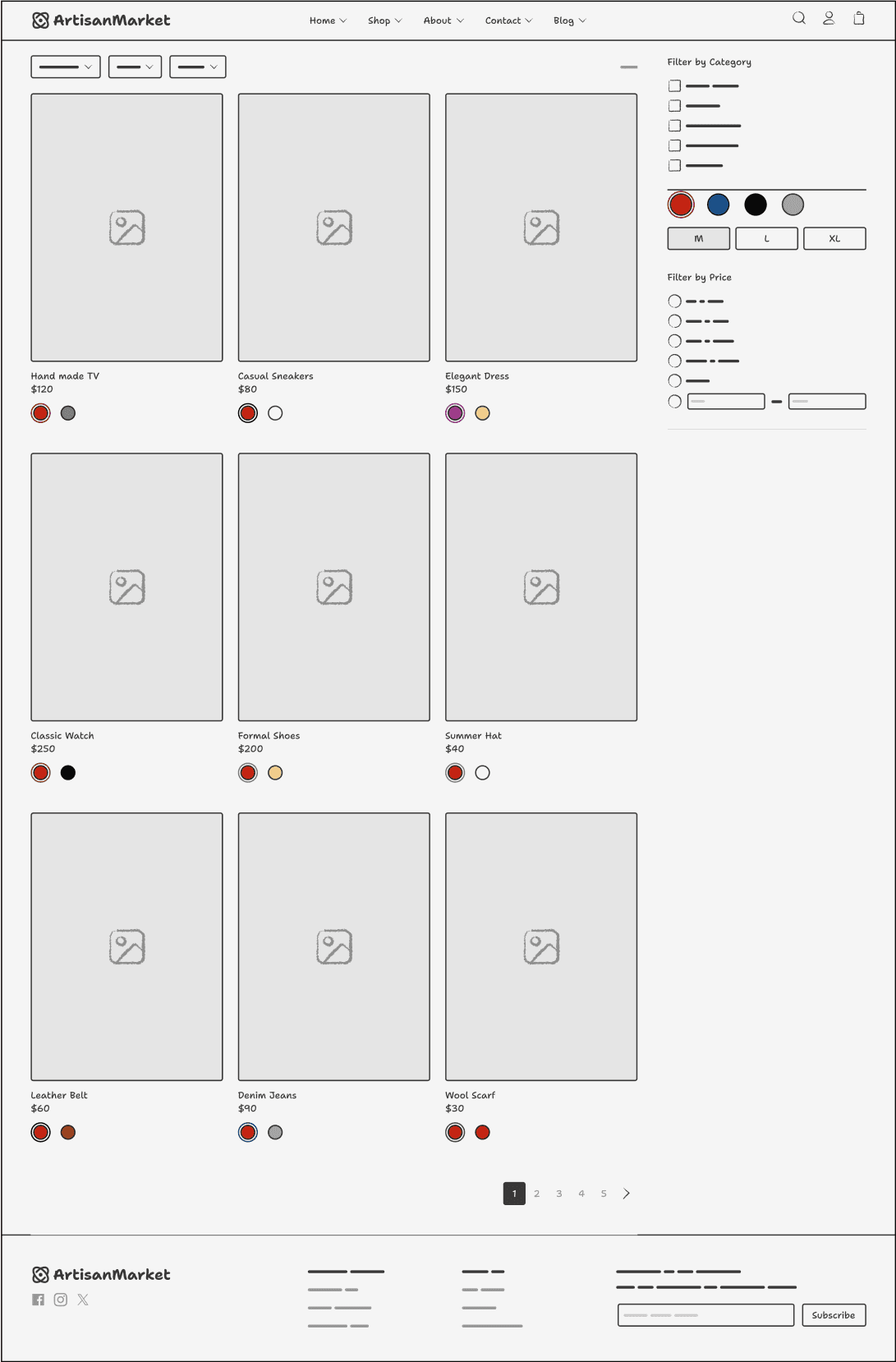
RESEARCH
Insights
1
Artisans invest 3+ days per piece but compete with products made in minutes. The market doesn’t recognize this difference.
There is a clear undervaluation of time, effort, and craftsmanship in current marketplaces.
2
Traditional techniques and cultural knowledge aren't being monetized beyond product sales.
The richness of craftsmanship is not leveraged as part of the business model.
Small personal networks limit market reach, but these networks have high trust and loyalty.
Artisans rely on limited but strong connections, which restrict growth.
4
The story behind the artisan deeply influences the buying decision.
Buyers are not only interested in the product itself but in the human and cultural narrative behind it. This emotional connection increases perceived value and purchase intent.
Artisans aren’t just selling products—they’re sharing time, skill, and identity.
Yet current platforms fail to reflect that value. Understanding this gap was key to defining what needed to change.
IDEATION
Final Design
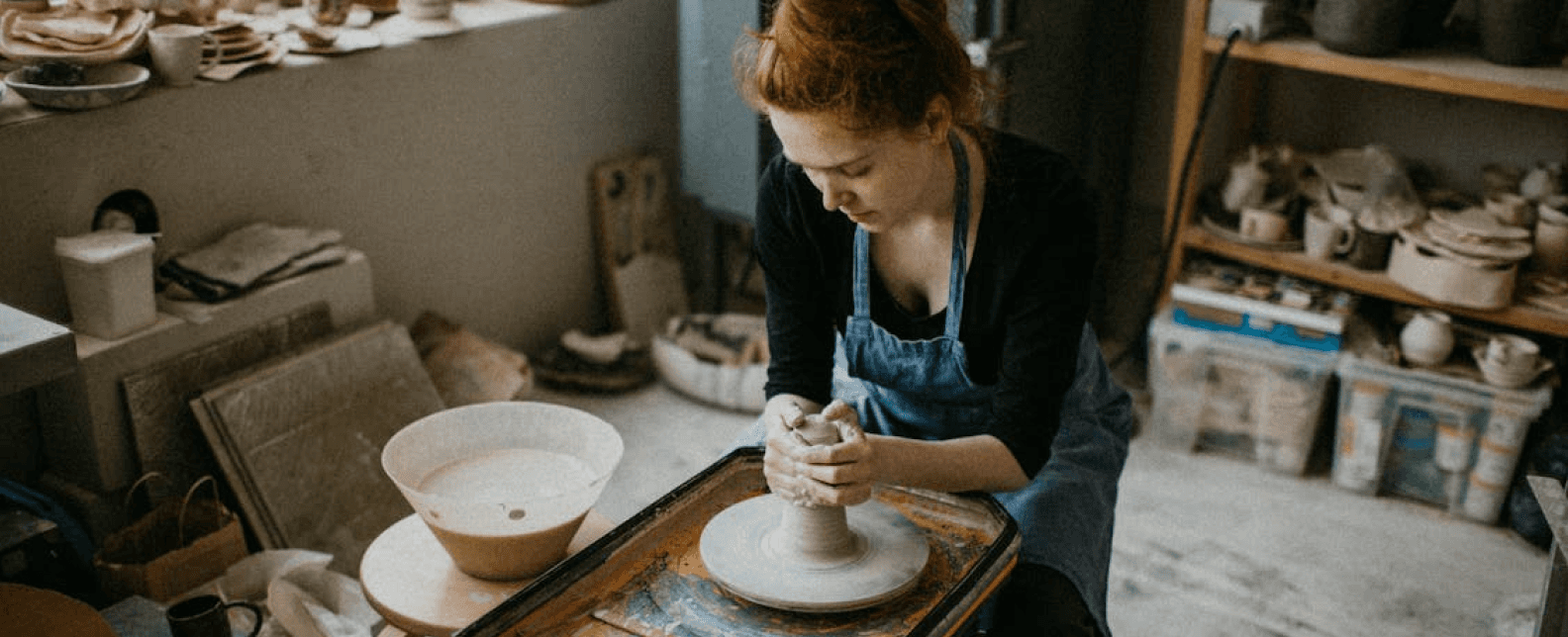

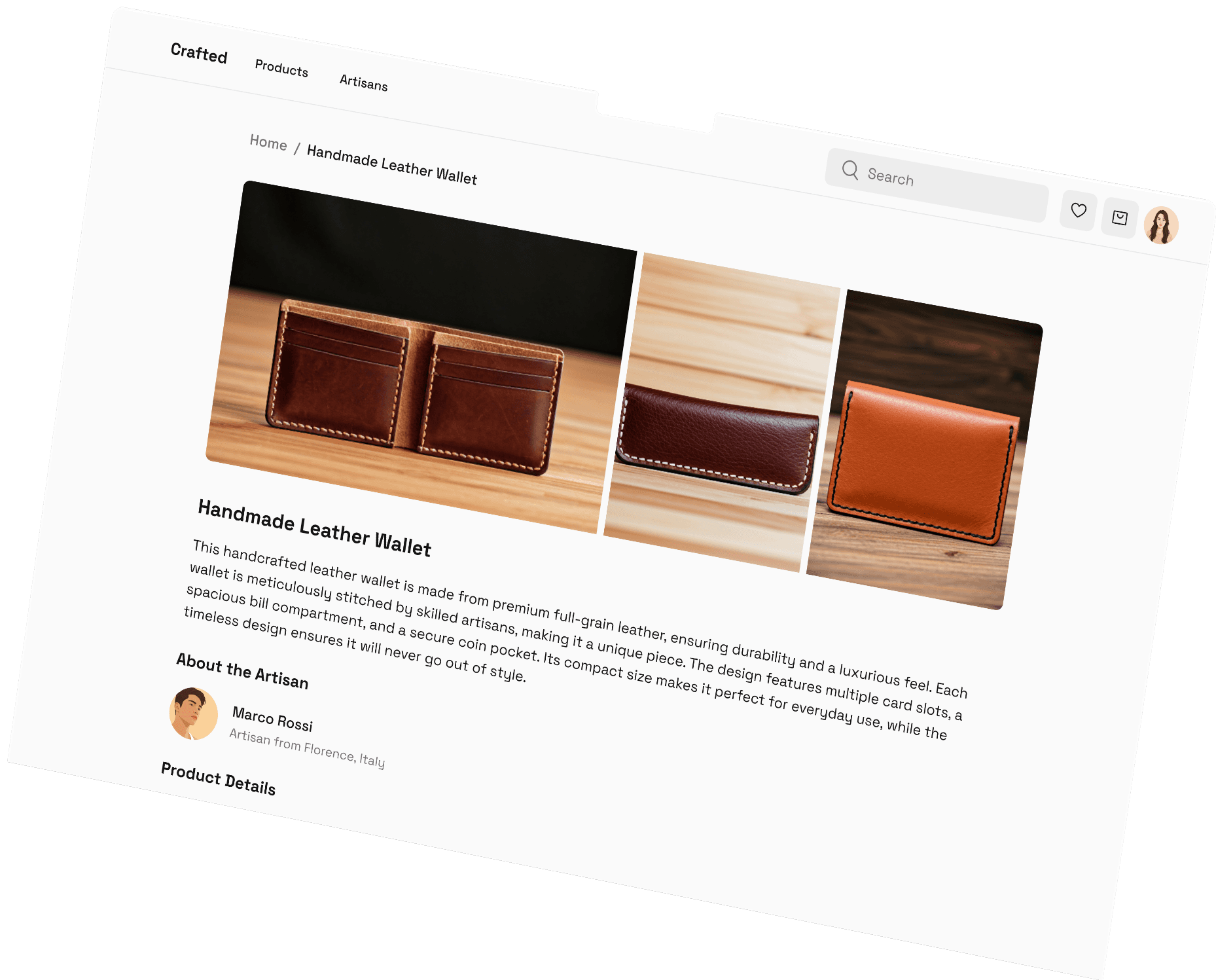
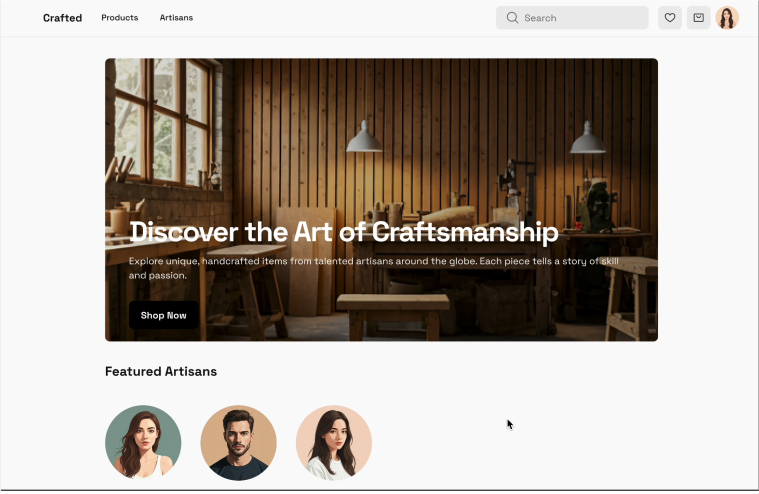
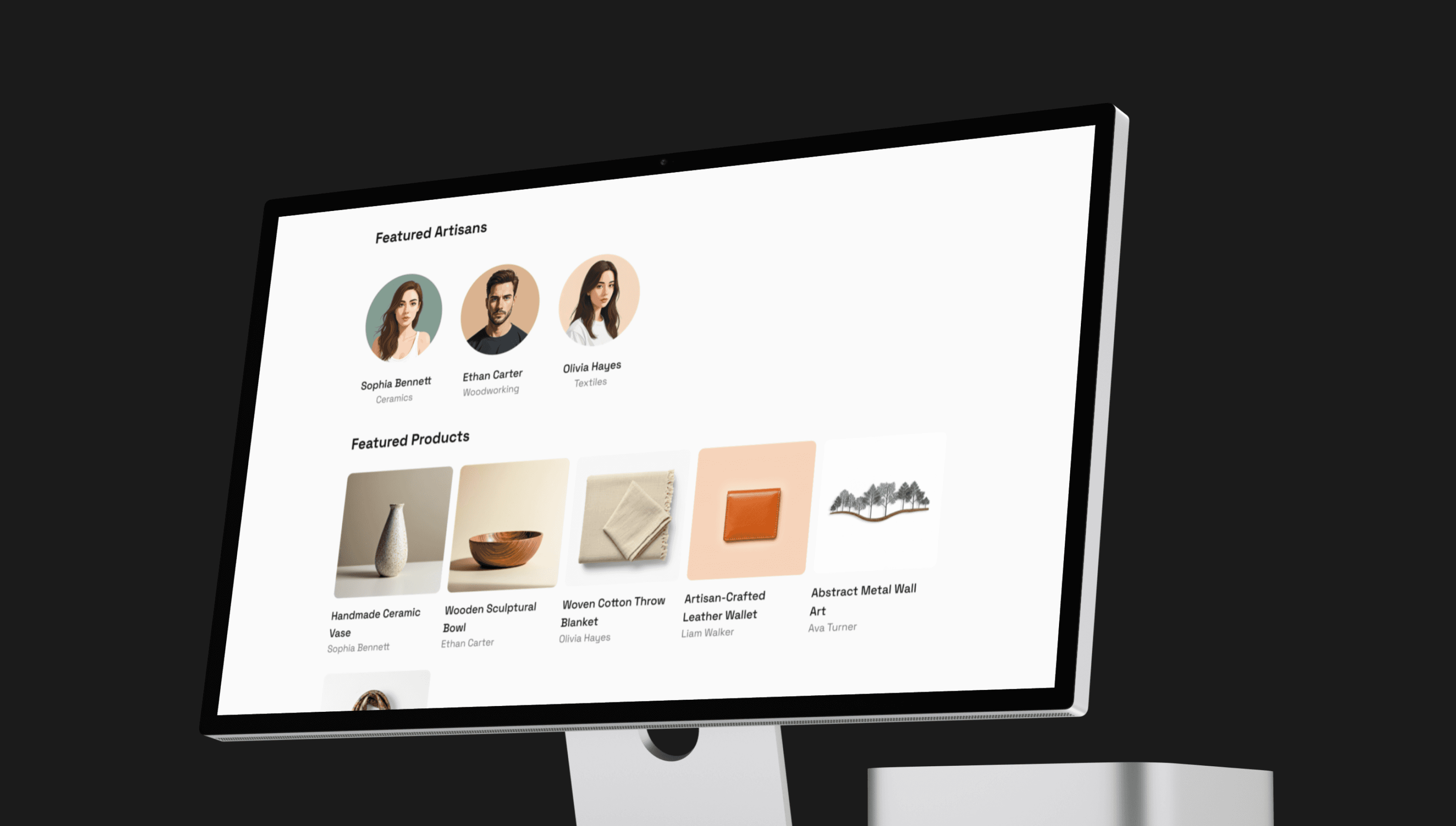
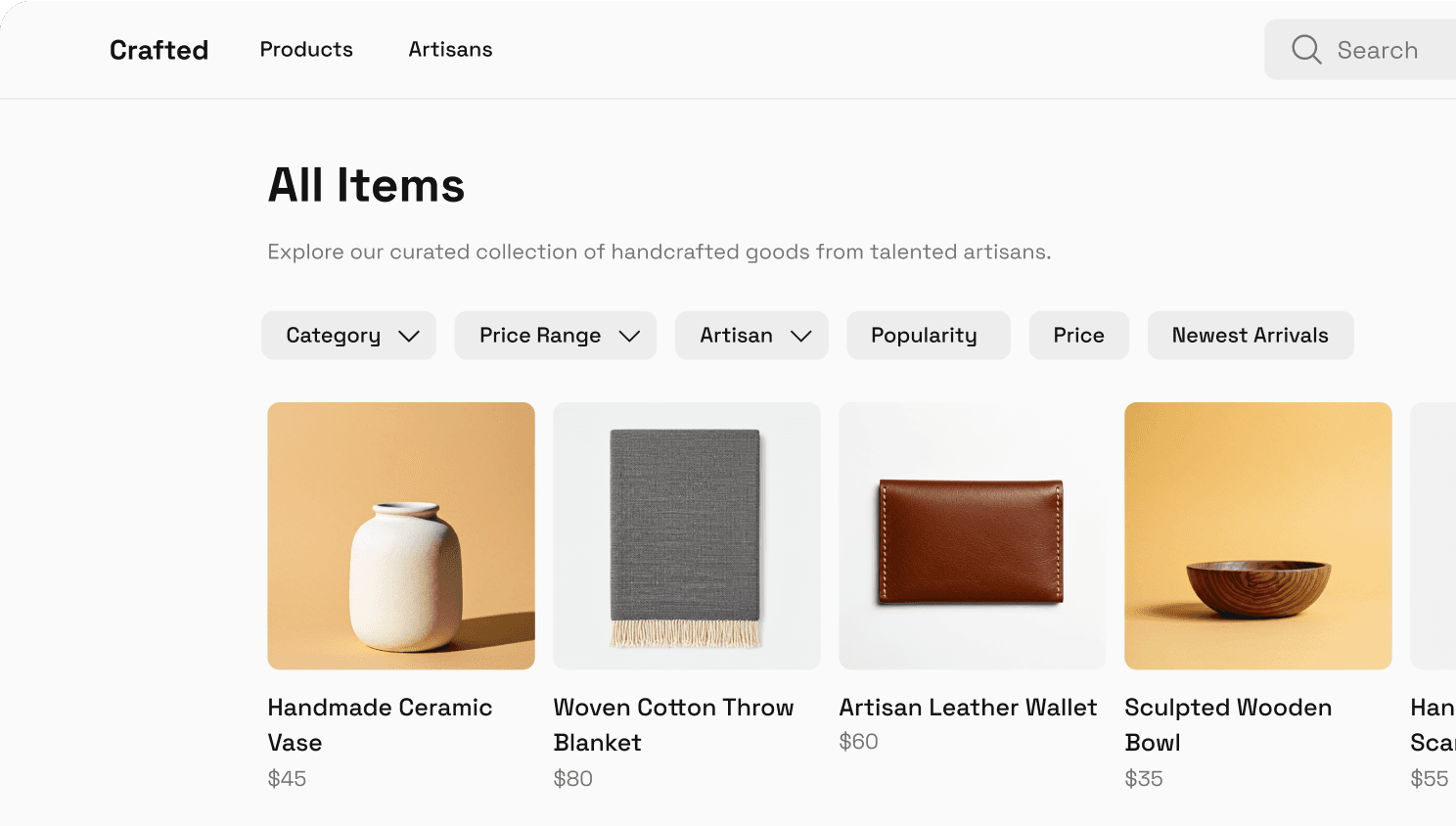
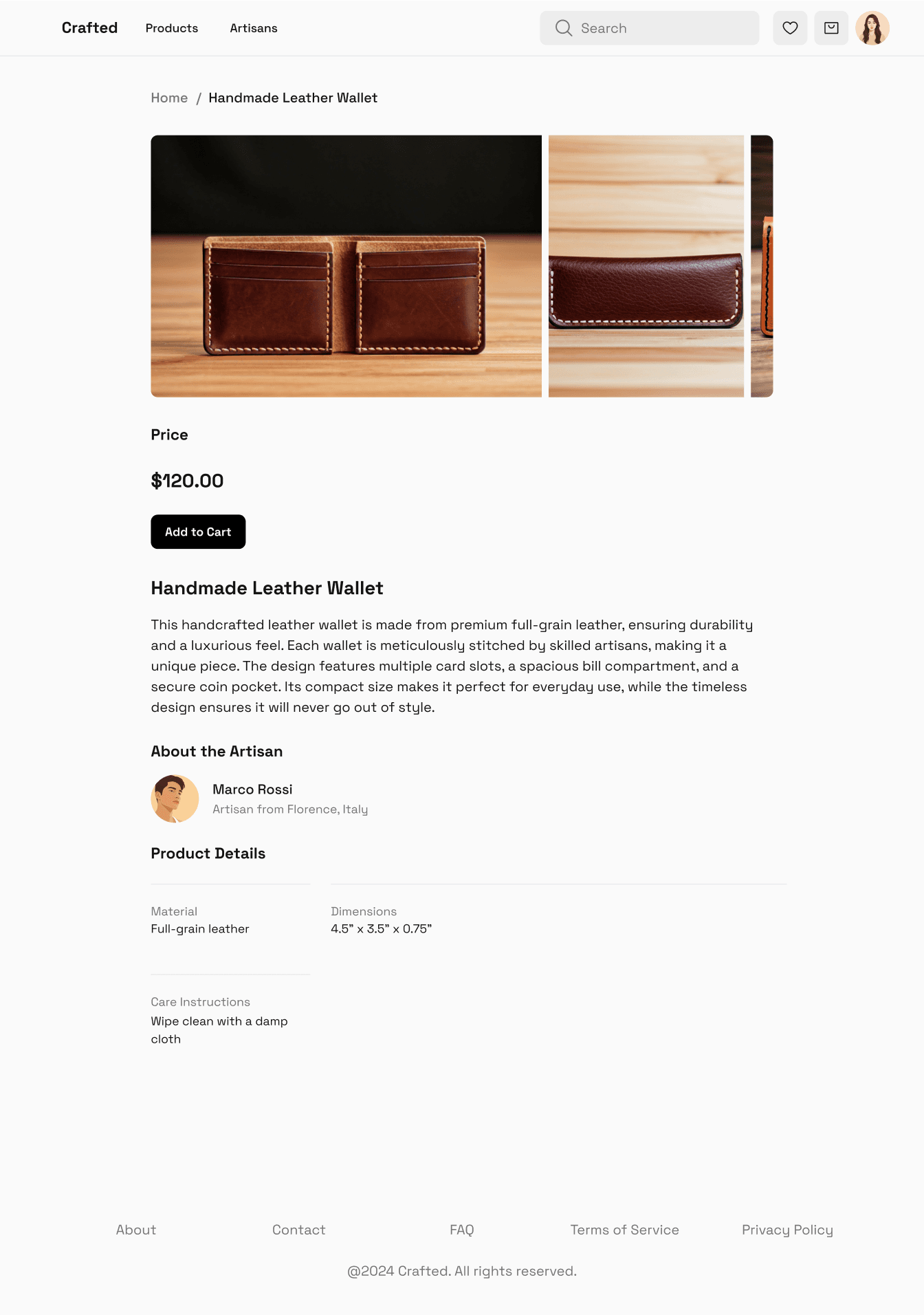
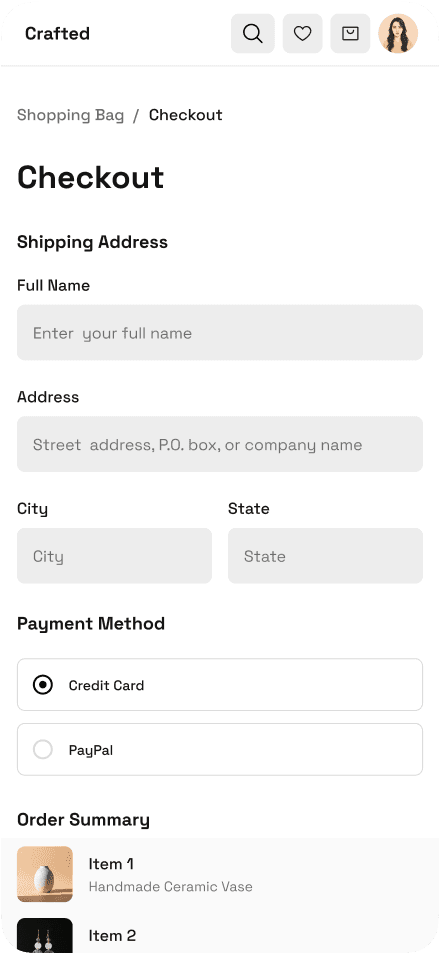
Crafted is a digital platform designed to empower local artisans by helping them showcase their work, connect with new audiences, and grow their businesses.
Unlike generic e-commerce sites, Crafted focuses on storytelling, transparency, and the unique value of handmade goods—bridging the gap between traditional craftsmanship and modern digital tools.
01
Homepage

02
Products
03
Shopping

Thank you for watching